Having a clear understanding of the evidence needed for a personal injury claim can make all the difference. It not only helps in preserving time-sensitive evidence. It also enables you to cover your injury from every possible angle. This can strengthen your claim and put you in a better position to win a deserving compensation.
In this guide, we have listed down some easy steps which you can follow after an accident to collect the right evidence. We have also discussed some common mistakes which can weaken your claim. So, let us dive straight into it.
Step 1: Record The Scene of The Accident
Evidence needed for personal injury claims gets lost, memories fade away and conditions get changed. That is why you should record everything at once.
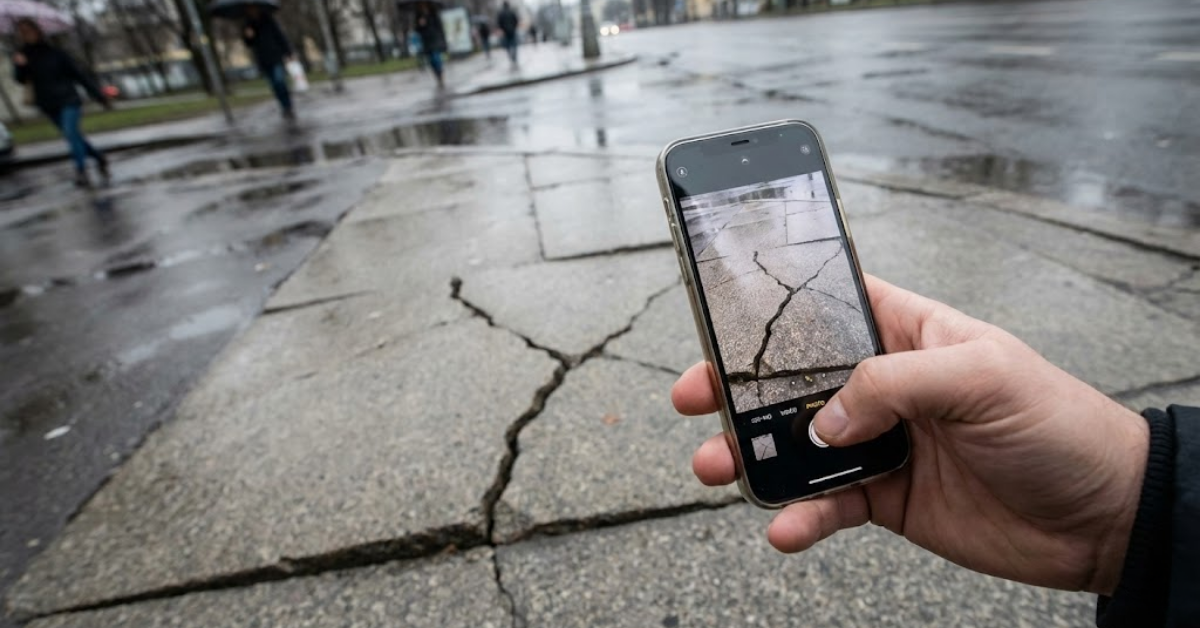
Click photos or record videos of your injuries, damaged property and the hazards that led to your accident. This includes, absent warning signs, unattended spillage, damaged pavement or road. Also, try to take a snapshot of the vehicle’s number plate If another motorist is involved in your accident.
Step 2: Collect Details from Witnesses
There might be people at the scene of the accident who saw your accident. It could be other pedestrians or motorists in a road accident. Your colleagues at a workplace. Other shoppers or visitors at a public place.
Record their name, contact number and email address. Ask them if they are willing to provide a short video testimony of what they saw when it is still fresh in their minds. You can also ask them to send a text or an email with a few sentences explaining the scene of the accident.
Step 3: Make an Official Report
Reporting your accident to the concerned authority adds credibility to your claim. It creates a timestamp of when the incident occurred and acts as key evidence needed for personal injury claims. However, whom to report depends on the location of your accident.
Workplace accidents must be reported to your employer. Road traffic accidents should be reported to the police. Whereas a public place accident should be reported to the manager or the owner of the premises.
Step 4: Get Medically Examined
Without solid medical proof, insurers can argue that your injuries existed before the accident. Similarly, the court can reject your claim if medical evidence fails to draw a connection between the accident and your injuries. Hence, get yourself checked by a doctor immediately after an accident. They will write a report to explain how your accident led to your injuries.
Hospital records and medical reports form your personal injury medical evidence. They show exactly what types of injuries you have suffered. Their impact on your life and the treatments you need to recover.
Step 5: Document Your Financial Losses
What evidence is needed for a personal injury claim to describe your financial losses, is a question many people get confused about. The answer to that question is simple. Keep a record of medical bills and prescription fees. Document the purchase of any medical equipment. Record expenses incurred when travelling to a hospital for an appointment. These include, parking fees, cost of petrol or transport fare.
Moreover, get payslips prior to the accident to show your usual earnings. In case you are self-employed, you can show ongoing contracts with your clients.
Step 6: Maintain A Daily Dairy
Not everybody can see the pain you are going through regularly. Hence, write down the activities you are no longer able to perform or find challenging to do. Be precise about what you write. Rather than saying that my back is sore today. Write something such as, sharp pain in my lower back when I tried to lift up the shopping bags.
The facts you write in the diary give a clear picture of what you have suffered on a daily basis. This can help doctors as well as your solicitors to better understand your condition.
Step 7: Gather Other Supporting Evidence
This can include CCTV footage from a place near the scene of the accident and reports from medico-legal experts. Some supporting evidence needed for a personal injury claim can be accident or injury specific. For instance, you might need a copy of safety inspection record or equipment maintenance log for warehouse accident compensation claims. Similarly, you will need reports from psychiatrists in case of a mental injury.
Every small detail matters. It further helps in connecting the dots or filling the gaps that exist in your evidence. Your solicitors use these details to negotiate a fair settlement.
Mistakes To Avoid When Collecting Evidence For An Injury Claim
Collecting personal injury evidence seems straightforward. Yet, small mistakes can cost you thousands in compensation. Here is what you need to avoid:
1) Delayed Medical Diagnosis
Do not wait for days or weeks to visit a doctor. This might provide an excuse to the defendant’s insurers to deny your claim. They might say that you did not have serious injuries or they were not caused by the accident.
2) Communicating Without Legal Advice
Do not communicate with the defendant’s insurers without legal advice. They are trained to make you say things that can weaken your claim.
3) Accepting An Initial Settlement
Never accept the first settlement offer from the insurance company. Most of the initial offers are less than what you deserve. Always consult expert solicitors like RU1NJURED’s panel solicitors before accepting a settlement offer.
4) Disposing of Invoices or Receipts
Never dispose of invoices or receipts. They can be used as financial evidence needed for a personal injury claim. Create a spreadsheet to record all your financial expenses for injury claim purposes. You can claim the total amount from the defendant.
Bottom Line
Courts and insurers need strong evidence for an injury claim. It is your words against the defendant’s words without solid proof of your injuries. Hence, you should present every possible document or digital evidence that can help in proving your opponent’s liability. You can achieve that by avoiding the mistakes and following the steps we have put together in this guide to collect evidence needed for personal injury claims.
FAQs
1) Is police report required for every type of accident claim?
No, police report is only required for road traffic accident claims or claims for criminal injuries.
2) What evidence is needed for a personal injury claim?
You need medical reports that explain your injuries. A copy of the accident report filed from your end. Photos or videos of the scene of the accident.
3) Do I need a solicitor to collect personal injury evidence?
You can collect personal injury evidence yourself. However, a solicitor ensures nothing important gets missed out. This increases your chances of winning a maximum payout.
4) Is there any time limit to apply for an injury claim?
Yes, you have to start a claim within the personal injury claim time frame defined by the law. In most cases, it is three years from the date of your accident.